Mixpantli: Space, Time, and the Indigenous Origins of Mexico / Mixpantli: Contemporary Echoes
Curated by Diana Magaloni and Alyce de Carteret
LACMA: Dec 12, 2021–Jun 12, 2022

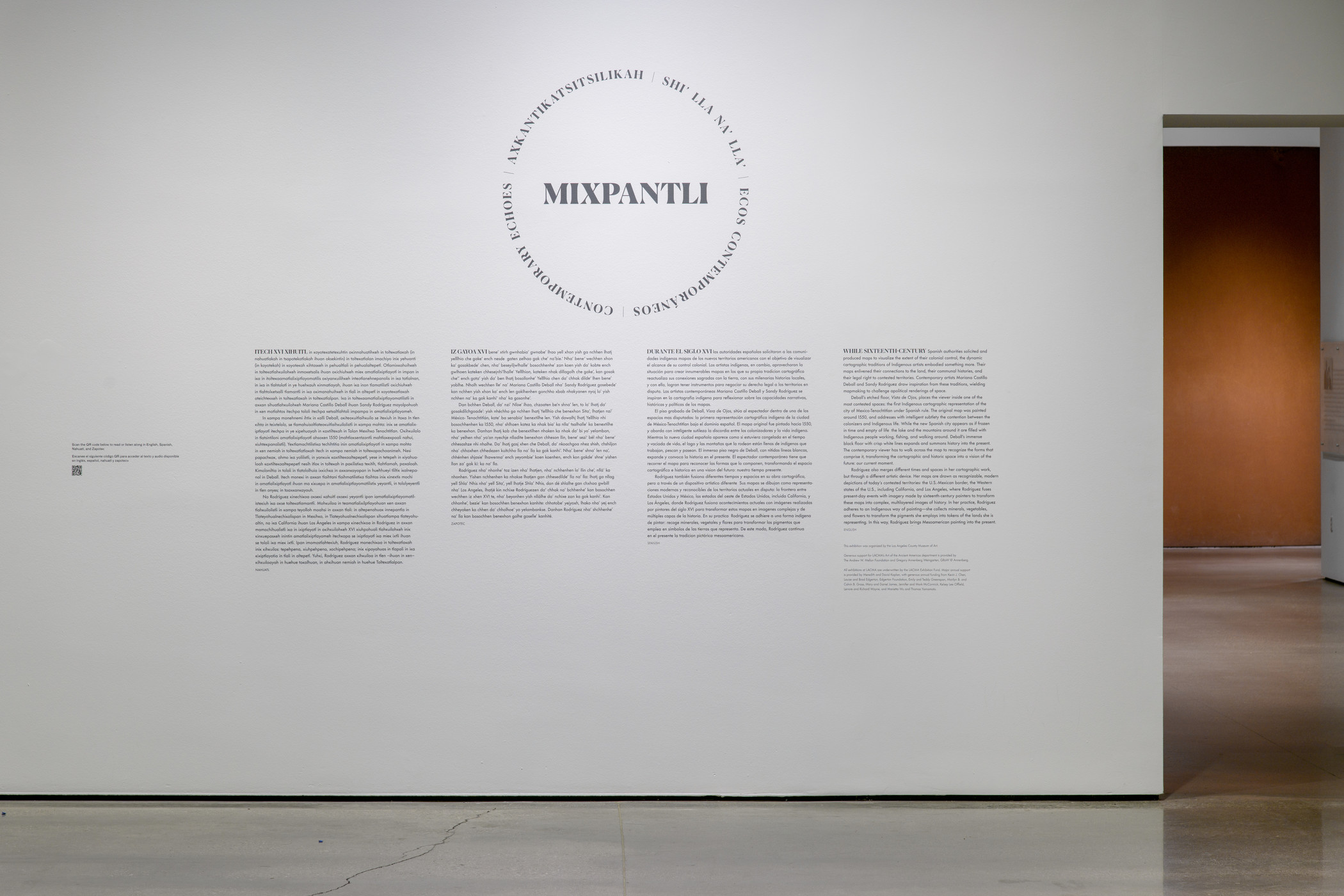

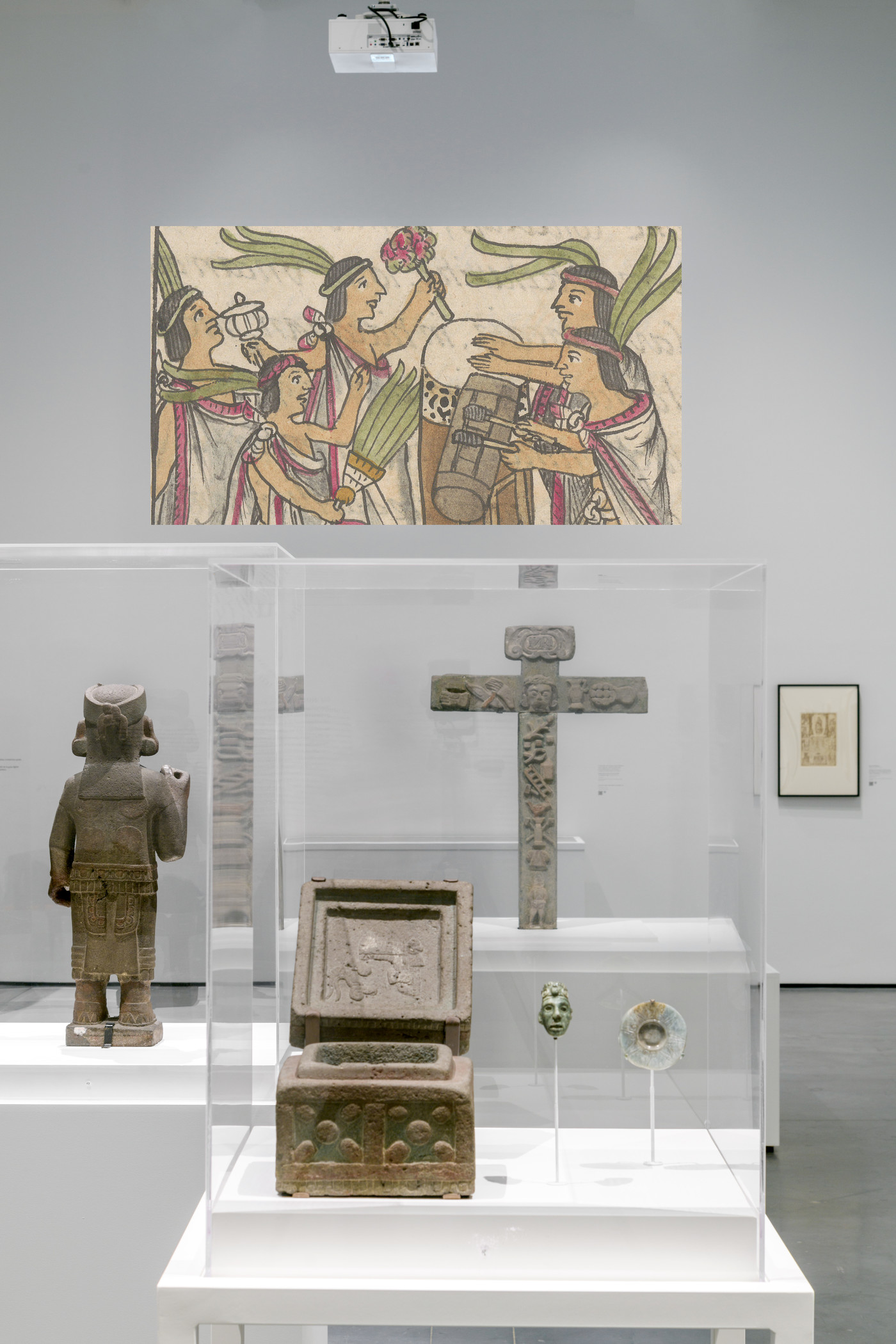

LACMA marked the 500th anniversary of the fall of the Aztec capital Tenochtitlan (modern-day Mexico City) with Mixpantli: Space, Time, and the Indigenous Origins of Mexico. This exhibition subverted the traditional narrative of conquest by centering the creative resilience of Indigenous artists, mapmakers, and storytellers who forged new futures and made their world anew through artistic practice. Nahua scribes gave the name mixpantli, or “banner of clouds,” to the first omen of the conquest, depicting this omen as both a Mexica battle standard and a Euro-Christian column enveloped in clouds. Mixpantli, then, reflects the bringing together of both Nahua and Christian worldviews, and the efforts of Indigenous peoples to reorient space and time in a new world and era. This show put early colonial art in conversation with pre-Columbian artifacts to showcase the deeply Indigenous worldviews that shaped early Mexico.
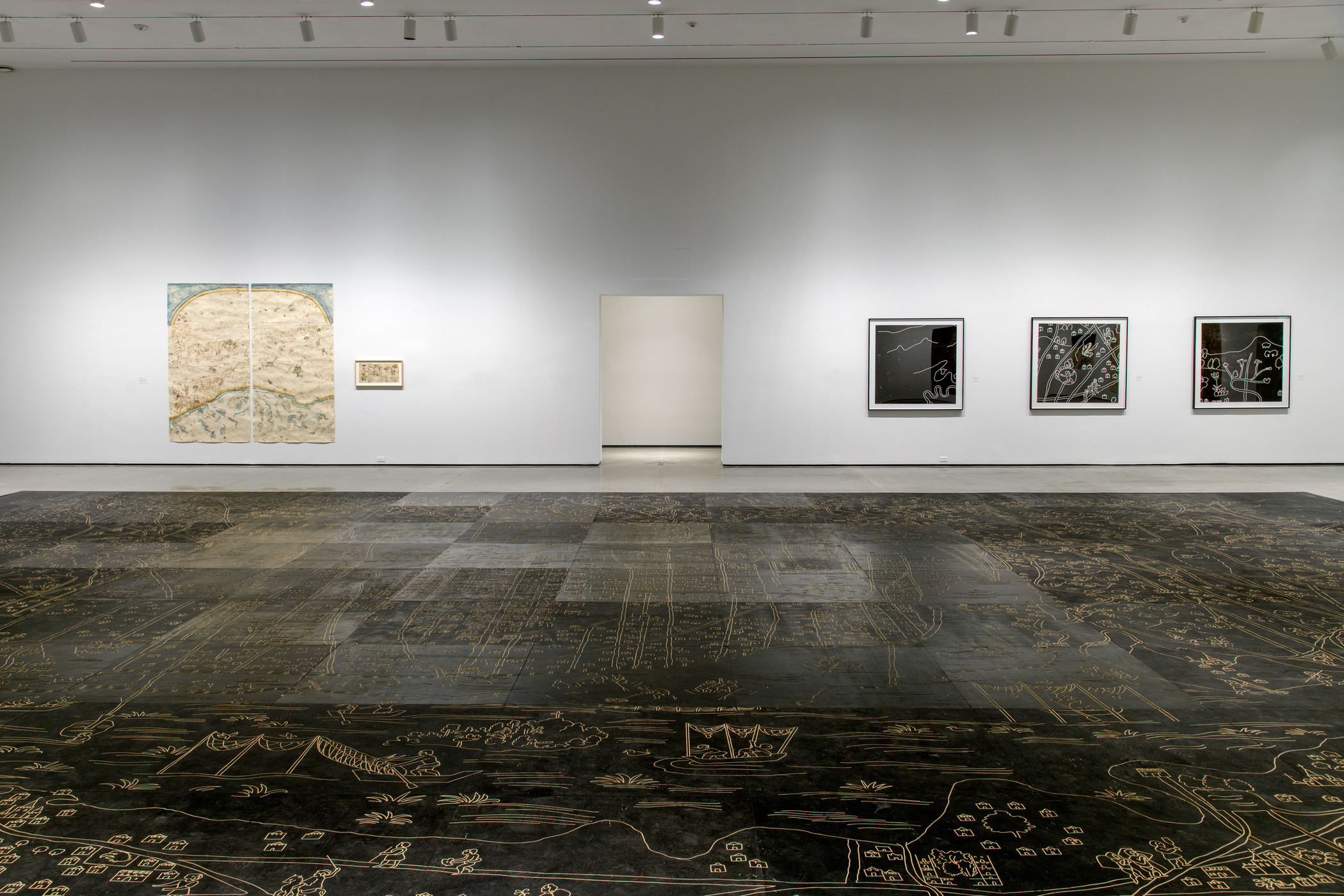
Mixpantli: Contemporary Echoes showcased the lasting impact of Indigenous creative resilience, connecting the vibrant artistic traditions of the past and the present, of Los Angeles and Mexico. This exhibition featured the works of contemporary artists and mapmakers who draw on Indigenous cartographic and artistic histories to challenge dominant narratives about place and belonging. Artworks include Mariana Castillo Deball’s Vista de Ojos (2014), a wooden pavement etched with the oldest map of Mexico City as originally illustrated by a tlacuilo (Indigenous mapmaker); a series of maps by Sandy Rodriguez, who paints with traditional pigments on amate paper to explore the intersection of social memory and contemporary politics; and an interactive map of the Indigenous communities of Los Angeles, produced by Comunidades Indígenas en Liderazgo (CIELO).
Impact
The use of Indigenous languages in the gallery was a powerful way to overcome the erasure of contemporary Indigenous communities. LACMA partnered with CIELO to translate and record the exhibition’s wall text from English to Spanish, Nahuatl (the language of empire in Tenochtitlan), and Zapotec (the Zapotec community is the largest Indigenous community in Los Angeles). An audio guide in all four languages allowed the museum to be inclusive of Indigenous methodologies of recording history via oral tradition or testimony.
The exhibition’s reach provided a platform for advocacy of immigrant rights and access to language justice. On view during the Ninth Summit of the Americas, Secretary of State Antony Blinken commended the community efforts behind CIELO’s language map “We Are Here” displayed in Mixpantli: Contemporary Echoes to a room of local and state government officials, congresspeople, and representatives from delegations of the Americas at an event hosted at LACMA in June 2022.
In conjunction with the exhibitions, the museum launched a podcast available on SoundCloud:
Responses
“Mixpantli: Space, Time, and the Indigenous Origins of Mexico revolutionized my perspective on Mexican Indigeneity, art, and identity. Mixpantli’s exhbition of Mexican Indigenous history beyond the limited lens of conquest emboldened me to embrace my Indigenous roots throughout my college applications. As a result I was able to tap into a deeply personal place with pride and confidence. Now, as a Yale University Art Gallery Guide and member of the class of 2028, I strive to inspire others as Mixpantli inspired me, showcasing the power of art in celebrating cultural heritage and shaping personal journeys.”
-Metztli Lopez (2024)
 Diana Magaloni